
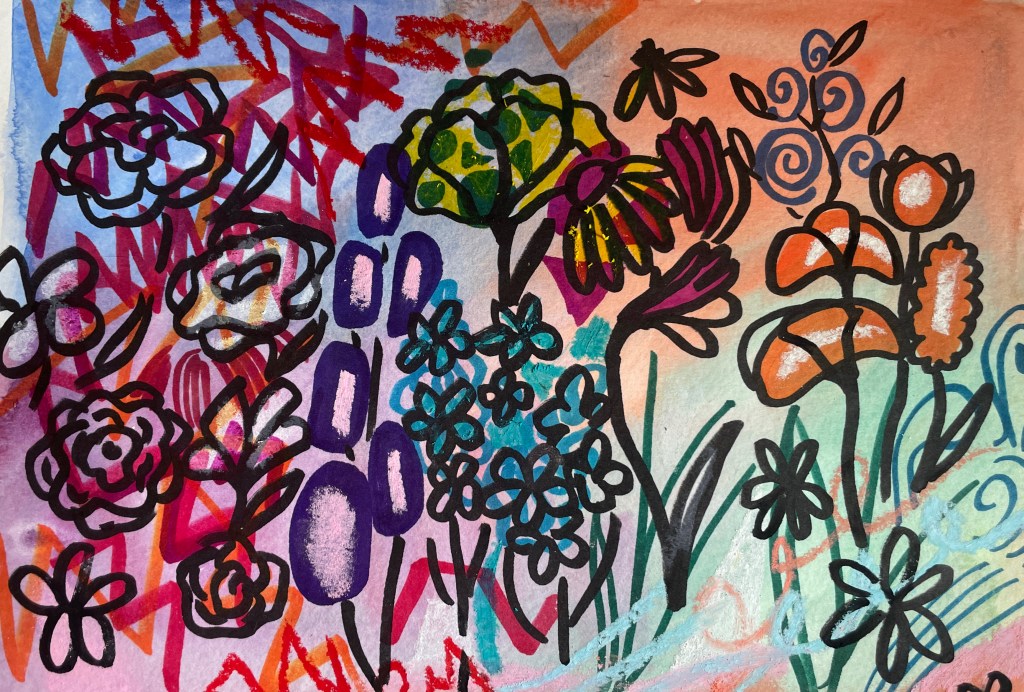
With the help of the School Arts magazine, I came across the wonderful lesson Plan for the Garden of Joy. The suggested grade level for this project was middleschool, so I would place it in the range of 5th-8th grade.
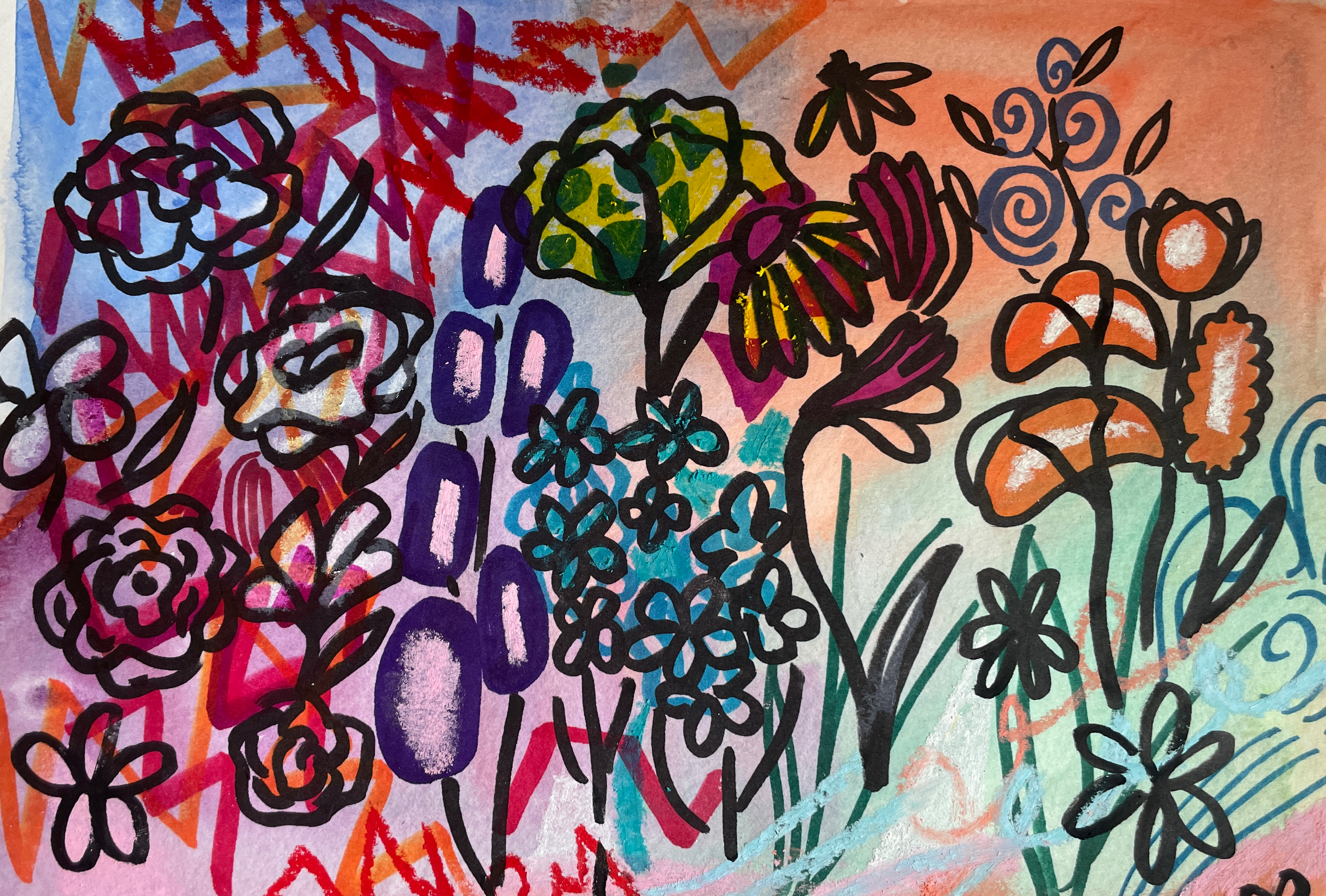
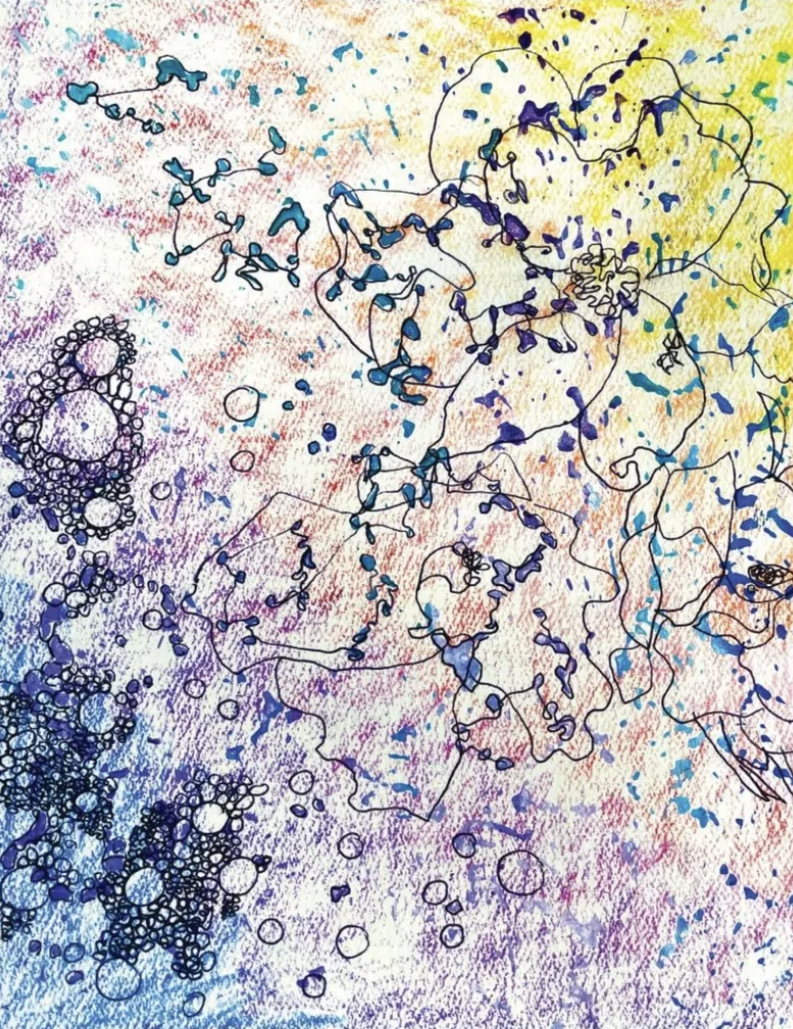
Left by me, right by Chynna from the School Arts Magazine, March of 2024 issue.
Brief Overview of the Lesson
1. Introduction to Nature-Inspired Art and Mindfulness
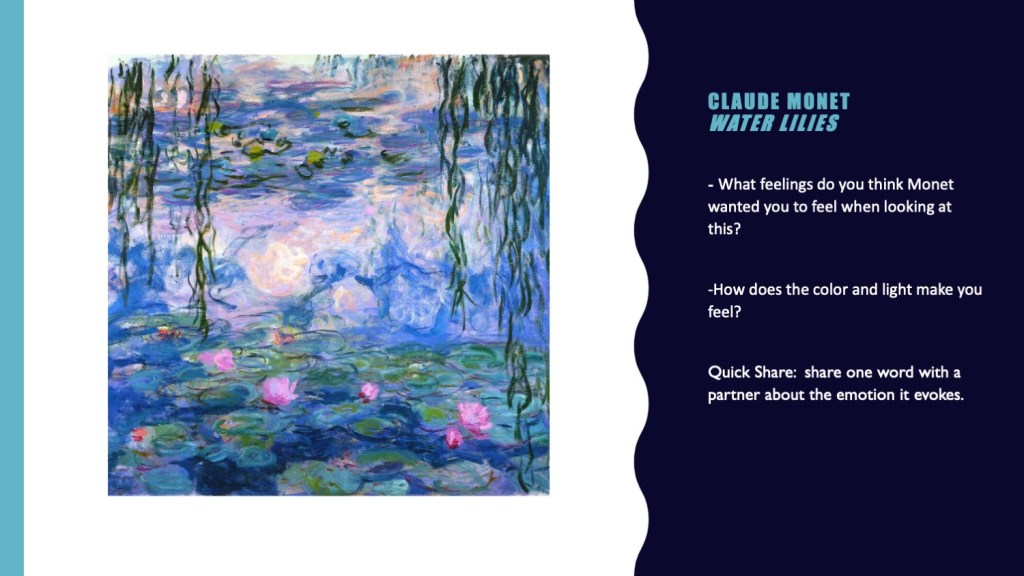
Begin the lesson by discussing how nature has historically inspired artists, such as Claude Monet, Georgia O’Keeffe, Lorenzo M. Duran, and Miranda Lloyd. Explain that students will use nature and their senses as inspiration for their art, while also practicing mindfulness to connect with their emotions.
2. Emotional Awareness Activity
Students start their creative journey by tuning into their emotions. They are encouraged to write down how they feel without judgment, helping them identify and acknowledge their current emotional state.
3. Expressing Emotions Through Color and Texture
Using three chosen colors and textures, students express their emotions visually in their sketchbooks. They are invited to explore and experiment with materials such as pastels, watercolors, colored pencils, or markers. Encourage them to think about which textures and colors evoke a sense of calm or relaxation for them. This exploration will serve as a foundation for their later work.
4. Engaging the Senses to Deepen Artistic Inspiration
Guide students to explore nature using their senses:
- Sight: Encourage them to observe the colors, patterns, and details of leaves, petals, and other natural elements.
- Sound: Have students close their eyes and listen to the surrounding sounds like rustling leaves or chirping birds, incorporating these sensory experiences into their art.
- Touch: Students feel textures in nature, like the roughness of bark or the softness of leaves, to inspire textures in their artwork.
- Smell: They take in the scents of flowers or fresh earth, integrating these elements into the sensory story of their artwork.
- Taste (optional): Offer herbal tea or fruit to connect the sense of taste to their exploration.
5. Creating Artworks with Chosen Mediums
In the garden or outdoor setting, students are empowered to choose their preferred medium to create their artwork. They begin by crafting a textured background that mirrors the garden’s diversity, using materials like texture plates, sponges, or paper towels. Soft music can play to set a calming tone.
6. Sketching and Letting Go of Perfection
Among the natural surroundings, students start by sketching elements of the garden. They focus on capturing the essence of the plants and flowers, using techniques like contour or blind contour drawing to enhance mindfulness. Encourage students to let go of perfection and explore their intuition, using gel pens, micro pens, or colored pencils to create unique interpretations.
7. Adding Personal Elements and Final Touches
After creating their garden-inspired artwork, students can add words, symbols, or any additional embellishments that reflect their emotions or observations. This final step allows them to make a deeper connection between their personal experiences and their art.
8. Reflective Sharing and Mindfulness Connection
Students share their finished artworks in a gallery walk or group critique, discussing the sensory experiences they incorporated and the mindfulness techniques they practiced. This final reflection reinforces the objectives of connecting emotionally to art, expressing their individuality through chosen mediums, and developing a mindful, creative process inspired by nature.
Learning Objectives!
Responding to Art:
- Art Discussion: Before beginning the art-making process, initiate a discussion about various artworks inspired by nature, such as those by Monet or O’Keeffe. Encourage students to share their thoughts and feelings about these pieces, focusing on how the artists capture the essence of nature and evoke emotions.
- Art Critique: After students complete their artworks, organize a peer critique session where they can present their pieces and discuss their creative choices. This will foster a deeper understanding of how personal experiences and emotions influence their art.
Developing Works of Art/Design:
- Guided Art Creation: While students are creating their artworks, provide specific prompts to guide their designs. For example, encourage them to think about how their chosen colors and textures reflect their emotions or specific elements of nature they observed.
- Exploration of Techniques: Introduce various techniques for creating textures and effects, such as collage, layering, or mixed media, which can enhance their artworks. Offer mini-demonstrations or examples to inspire experimentation.
Relating Art to Context:
- Cultural Connection: Incorporate discussions about how different cultures represent nature in their art. Explore indigenous perspectives on nature or how different regions depict their landscapes. This can help students understand the broader context of their own work.
- Environmental Awareness: Connect the lesson to current environmental issues. Discuss the importance of nature in art and how artists can raise awareness about conservation through their work. Encourage students to think about the message their artwork conveys about the natural world.
Learning Supports!
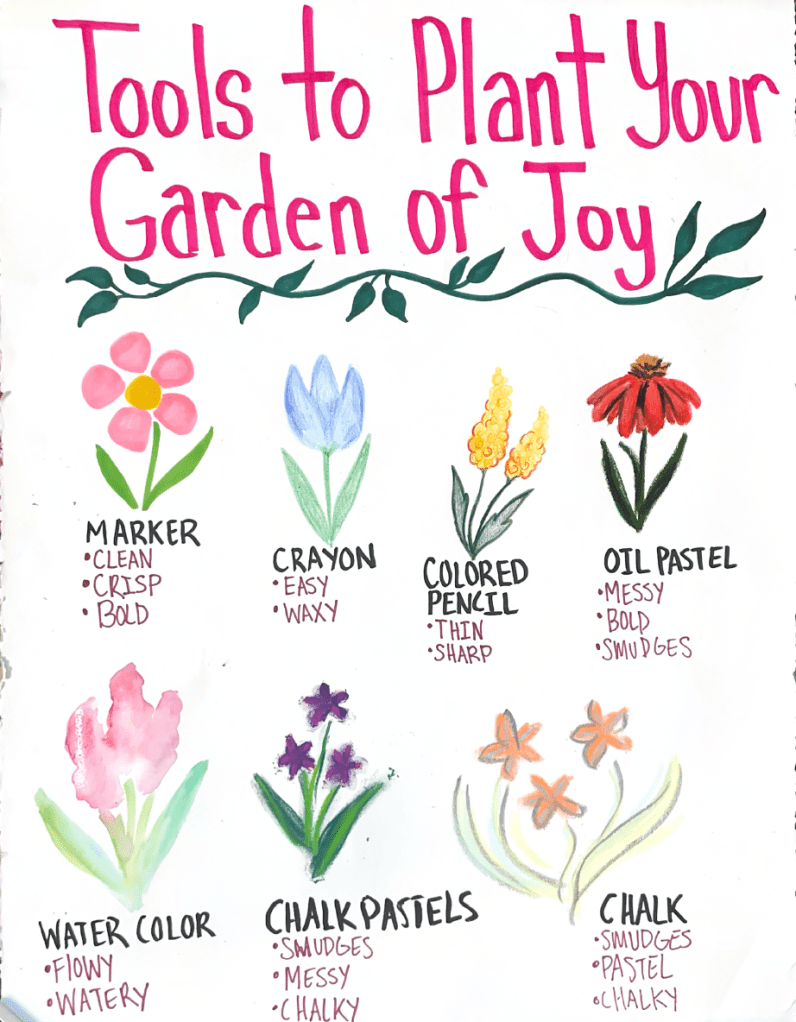
Anchor Chart: Art Medium Accessibility Guide
• Purpose: This chart will display various art mediums and explain how each can be used, emphasizing which are more accessible for students with physical disabilities or fine motor challenges.
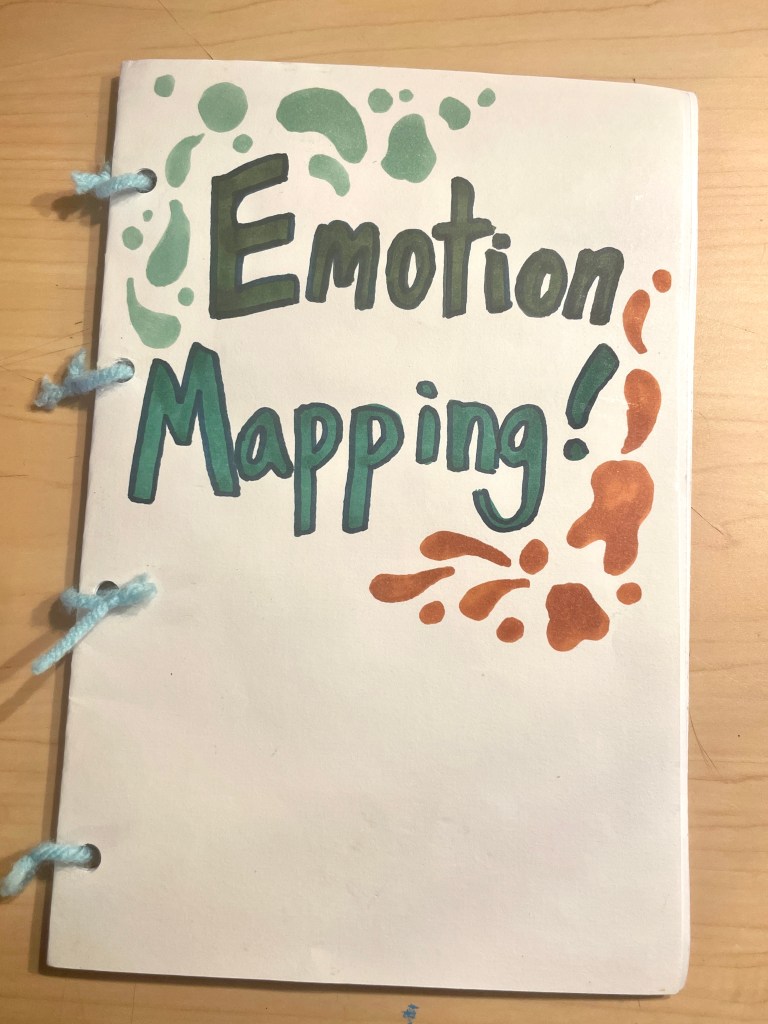
Emotion Mapping Journal:
• Purpose: This journal is designed to help students connect their emotions to sensory experiences in nature, preparing them for the “Garden of Joy” art project. Aligned with the learning objective Relating Art to Context, the journal guides students to reflect on their feelings and surroundings, translating these insights into visual symbols and patterns. This process helps students understand the relationship between their internal emotions and the external world, fostering deeper meaning in their artwork.
Read more about how I formatted it!
Page 1:
-What do the colors and patterns in nature make me feel? Doodle below!
-What memories and feelings do textures, sounds, and looks of nature bring to mind?
Page 2:
-Choose 3 emotions you’ve felt recently. For each one, draw a shape or symbol that represents how you feel.
Page 3:
-What symbols, shapes or patterns can you use to represent your emotions? Make 5-10 drawings.
Page 4:
-Explore Mediums! Below, experiment with differnt materials and mediums, and think about how certain ones may resonate with certain emotions!
Interactive Art Exploration PowerPoint:
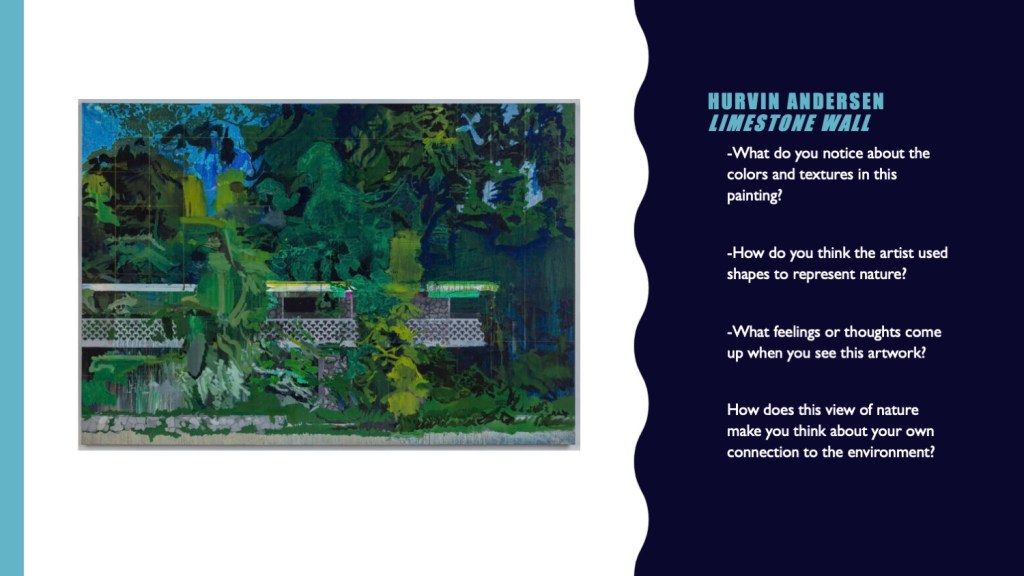
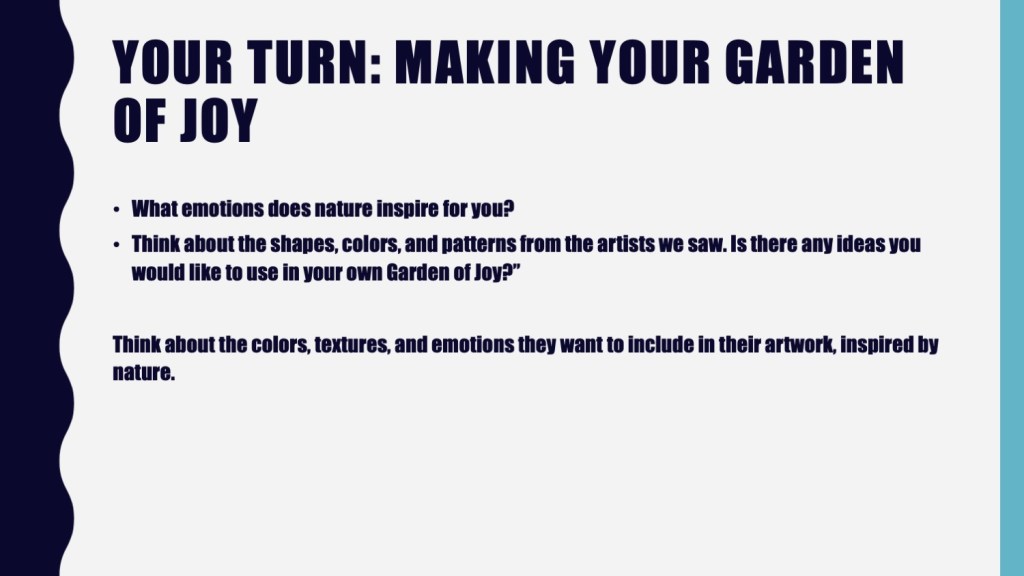
Purpose: The Interactive Art Exploration PowerPoint helps students connect famous nature-inspired artworks, such as pieces by Monet, O’Keeffe, and Hurvin Anderson, to their own experiences. By responding to questions like, “What emotions does this evoke?” and sharing perspectives with peers, students reflect on how artists use color, texture, and imagery to express their connection to nature. This support fulfills the objective Relating Art to Context by encouraging students to explore how these techniques can inspire their own Garden of Joy projects.
Garden of Joy Art-Making Video Guide
• Purpose: This video demonstrates how emotions can guide artistic choices, using materials and techniques to express feelings like sadness, calm, anxiety, unpredictability, and joy. It encourages students to connect their emotions to their art, reflect on how different mediums evoke specific moods, and embrace mindfulness during the creative process. The goal is to inspire students to see art as a tool for self-expression and emotional transformation, focusing on the beauty of the process rather than perfection.
Adaptions and Modifications
To ensure all students feel supported and empowered during the Garden of Joy lesson, thoughtful adaptations, modifications, and universal design strategies can create an inclusive and engaging experience. Below, we address three specific exceptionalities: Orthopedic Impairment, Emotional Disturbance, and Learning Disabilities, using examples from the Special Artists Handbook.
Supporting Students with Orthopedic Impairments
Students with limited mobility or motor control may require adapted materials and tools to engage in the creative process. For example, adaptive aids like large-handled brushes, arm supports, or tools designed to be used with head or foot movements can provide access to artistic expression. To foster independence, students could use pre-prepared materials, such as stencils or pre-cut paper shapes, allowing them to focus on the expressive aspects of their artwork without frustration. Activities should emphasize achievable successes; for instance, tearing paper or using textured sponges to create patterns can be manageable while still providing a sense of accomplishment. Ensuring physical accessibility in the classroom, such as clear pathways for wheelchairs, also encourages full participation.
Supporting Students with Emotional Disturbance
For students experiencing emotional challenges, the lesson should promote self-expression and emotional regulation through art. Offering high-interest, open-ended projects—like creating flowers to represent different emotions—helps students connect personally to the work while avoiding rigid expectations. To build self-esteem and engagement, the teacher can provide positive reinforcement, celebrate milestones, and avoid punitive measures for disruptive behavior. Group or buddy projects can foster interpersonal connections in a supportive, nonjudgmental atmosphere, helping students feel valued. Firm but flexible guidelines create a structured environment that promotes security and trust, allowing students to explore their emotions through the calming, sensory aspects of art.
Supporting Students with Learning Disabilities
Students with learning disabilities, such as ADHD or dyslexia, may benefit from clear, step-by-step demonstrations and visual aids. Breaking down the lesson into manageable segments—such as focusing first on creating a watercolor background, then layering chalk details—can reduce cognitive overload. Providing tactile or visual starting points, like pre-drawn outlines for flowers, ensures that students can confidently begin their work. Frequent checks for understanding and reinforcement of directions, such as asking students to repeat steps back to the teacher, help address memory and processing difficulties. Flexible timelines for completing the project support students who may require more time to process and execute each step, ensuring they can experience success without pressure.
By valuing the diversity of abilities and experiences in the classroom, this lesson creates a space where every student can thrive artistically and emotionally.
 Ava Sandersen